
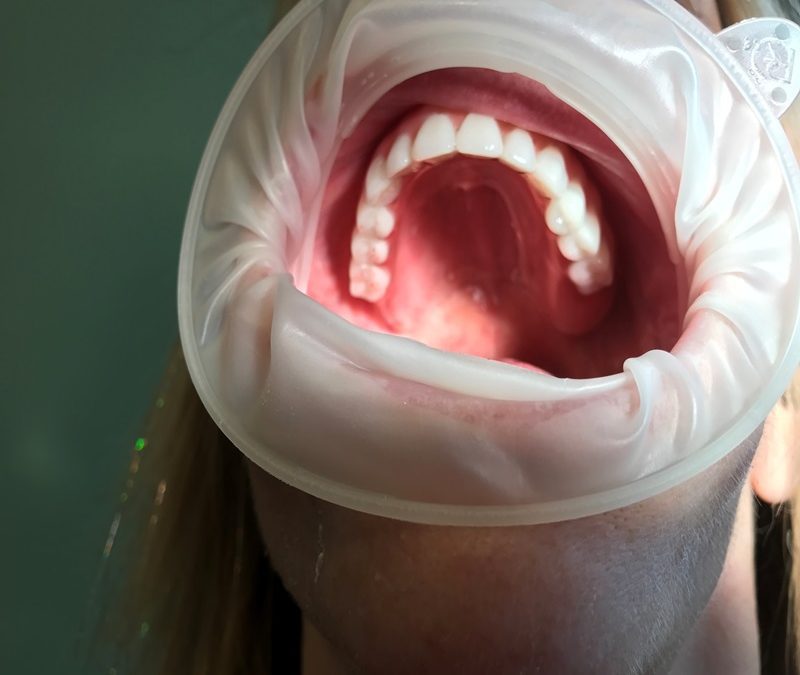
A Guide for Patients Considering Implant Dentures in Airdrie, Alberta
For many people who wear traditional dentures, stability can be a major concern. Dentures may slip while eating, shift while speaking, or require adhesive to stay in place. Implant-supported dentures offer a modern solution that provides greater comfort, stability, and confidence.
One of the most common questions patients ask when exploring this option is:
“How many dental implants are needed for implant dentures?”
The answer depends on several factors, including the type of denture, jawbone health, and the level of stability desired. For patients in Airdrie and surrounding communities, understanding these options can help you make an informed decision about your long-term oral health.
At Woodside Denture Centre in Airdrie, denturists work closely with patients and implant dentists to design implant denture solutions that fit comfortably and function naturally.
What Are Implant-Supported Dentures?
Implant-supported dentures are dentures that attach to dental implants placed in the jawbone. These implants act as anchors that hold the denture securely in place.
Unlike traditional dentures that rest on the gums, implant dentures provide:
- Increased stability
- Better chewing ability
- Reduced denture movement
- Improved confidence when speaking and eating
Because the implants integrate with the jawbone, they also help preserve bone structure, which can prevent the sunken facial appearance often associated with long-term tooth loss.
The Typical Number of Implants Needed
The number of implants needed for implant dentures varies depending on the treatment approach.
Two Implants (Lower Denture Stabilization)
In some cases, two implants can be placed in the lower jaw to stabilize a denture.
This option is often called a removable implant denture. The denture attaches to small connectors on the implants, allowing it to attach securely in place while still being removable for cleaning.
Benefits include:
- Improved stability compared to traditional dentures
- More comfortable chewing
- Lower cost compared to full implant restorations
This solution is commonly recommended for patients who want better stability without undergoing extensive implant procedures.
Four Implants or more (All-on System)
Another popular solution is the All-on implant denture system, which uses four implants to support a full denture.
With this approach:
- Two implants are placed in the front of the jaw
- Two implants are placed at an angle toward the back
- Depending on the surgeon, placing the implants more may be required
This configuration creates a strong foundation for the denture.
Advantages include:
- Excellent denture stability
- Strong biting and chewing function
- Reduced need for adhesives
- Long-lasting support for the denture
Many patients find this option provides a significant improvement in comfort and function.
Six Implants or More (Maximum Stability)
For patients seeking the highest level of stability, six or more implants may be used to support a full denture.
This approach is often recommended when:
- Maximum chewing strength is desired
- The patient has strong jawbone density
- A more permanent denture solution is preferred
Using additional implants can distribute pressure more evenly across the jaw, which may improve long-term comfort and durability.
Differences Between Upper and Lower Implant Dentures
The number of implants needed may also depend on whether dentures are being placed in the upper jaw or the lower jaw.
Lower Jaw
The lower jaw typically requires two to four implants because the bone is denser and provides better support.
Upper Jaw
The upper jaw usually requires four to six implants because the bone is insufficient and needs more support to stabilize the denture.
Each patient’s anatomy is unique, so a professional evaluation is necessary to determine the best approach.
Factors That Influence the Number of Implants Needed
Several factors determine how many implants are recommended for implant dentures.
Jawbone Density
Healthy bone is necessary for dental implants to integrate properly.
If bone loss has occurred due to long-term tooth loss, additional implants or bone grafting procedures may be required.
Desired Stability
Some patients simply want to reduce denture movement, while others want a solution that feels as close as possible to natural teeth.
More implants generally provide greater stability and chewing strength.
Budget and Treatment Goals
Implant dentures are an investment in long-term oral health.
Patients often choose between different implant configurations based on their goals, lifestyle, and financial considerations.
A consultation with a denturist can help determine which option offers the best balance of stability and affordability.
Benefits of Implant-Supported Dentures
Implant dentures offer several advantages over traditional dentures.
Improved Stability
Because the denture attaches directly to implants, it stays securely in place while speaking and eating.
Better Chewing Ability
Implant dentures allow patients to eat a wider variety of foods with greater comfort.
Reduced Bone Loss
Dental implants stimulate the jawbone in a similar way to natural tooth roots, helping preserve bone structure.
Increased Confidence
Many patients report feeling more confident in social situations because their dentures feel more secure.
Are Implant Dentures Right for Everyone?
While implant dentures are a great solution for many people, they may not be suitable for everyone.
Ideal candidates typically:
- Have healthy gums
- Have sufficient jawbone density
- Are in good overall health
Even if bone loss has occurred, treatments such as bone grafting may make implants possible.
A professional consultation is the best way to determine eligibility.
The Implant Denture Process
Getting implant dentures usually involves several steps.
- Consultation and evaluation
A denturist and implant dentist assess your oral health and determine the best treatment plan. - Implant placement
The dental implants are surgically placed into the jawbone. - Healing period
The implants integrate with the bone over several months. - Denture placement
Once the implants are stable, the denture is attached securely.
This process ensures the dentures are comfortable, stable, and designed specifically for your mouth.
Implant Denture Options in Airdrie
Patients in Airdrie who are interested in implant dentures can explore their options with our team at Woodside Denture Centre.
The clinic provides personalized denture solutions, including:
- Implant-supported dentures
- Complete dentures
- Partial dentures
- Denture relines and repairs
By working closely with dental professionals who place implants, the team can design dentures that fit securely and function naturally.
Schedule a Consultation for Implant Dentures
If you’re wondering how many implants are needed for implant dentures, the best answer comes from a personalized consultation.
Every patient’s mouth is unique, and factors such as bone structure, denture goals, and oral health all influence the recommended treatment.
At Woodside Denture Centre in Airdrie, patients receive expert guidance on implant denture options designed to improve stability, comfort, and long-term oral health.
Booking a consultation is the first step toward achieving a secure, confident smile with implant-supported dentures.