
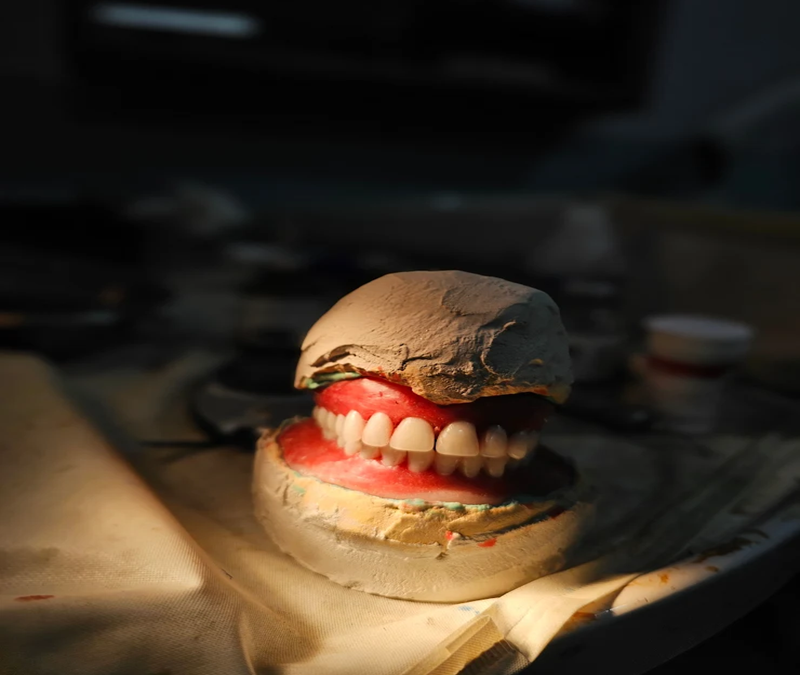
One of the most common concerns denture wearers experience is looseness. Many patients at Woodside Denture Centre ask:
“My dentures fit perfectly, a few years ago — why are they suddenly moving?”
The answer often surprises people. While dentures themselves are not always the problem, understanding the different types of dentures available can help explain why fit and function change over time.
For many Alberta denture wearers, especially Alberta seniors, looseness gradually develops due to bone resorption, gum changes, and normal wear. Understanding why this happens can help prevent discomfort, eating difficulties, and long-term oral health problems.
Your Jawbone Changes After Tooth Loss
Natural tooth roots stimulate the jawbone every day when chewing. Once teeth are removed, that stimulation disappears.
As a result:
- The jawbone begins shrinking
- gum tissue changes shape
- denture support decreases over time
This process is called bone resorption.
The most rapid changes usually occur during the first year after extractions, but bone loss continues throughout life.
Common Signs Your Dentures Are Becoming Loose
Dentures Move While Talking
You may notice shifting during conversations or laughing.
Food Gets Underneath
This often indicates gaps between the denture and gums.
Sore Spots Appear
Loose dentures create friction that irritates soft tissue.
You Avoid Certain Foods
Many patients unconsciously stop eating tougher foods when dentures lose stability.
Adhesive Stops Working as Well
Excessive adhesive use often signals that your dentures may require a professional assessment, adjustment, or denture reline to restore a secure fit.
Alberta Summer Activities Often Expose Loose Dentures
Summer in Alberta usually means:
- BBQs
- camping
- weddings
- patios
- family gatherings
These social settings often involve foods that are harder to chew, making looseness more noticeable.
Patients who were comfortable during winter softer-food diets may suddenly notice problems during the summer eating season.
Why Ignoring Loose Dentures Can Be Risky
Many people tolerate loose dentures for years without realizing the risks. Maintaining proper denture cleaning habits can also help preserve comfort and overall oral health.
Accelerated Bone Loss
Poor-fitting dentures place uneven pressure on the gums and bone.
Increased Irritation
Chronic rubbing can create painful sores and inflammation.
Reduced Nutrition
Avoiding foods due to chewing difficulty may impact nutrition, especially for seniors.
Jaw Pain & Headaches
An unstable bite can strain jaw muscles and joints.
Speech Changes
Loose dentures affect tongue positioning and pronunciation.
Relines vs New Dentures
Not every loose denture requires replacement.
A Denture Reline
A reline reshapes the denture’s inner surface to match your current gum structure.
This is often recommended every few years as your mouth changes. Learning why denture relines are important can help you maintain a comfortable and secure fit all over time.
New Dentures
Sometimes dentures become too worn, aged, or structurally compromised to reline effectively.
At Woodside Denture Centre, we assess:
- bite alignment
- denture wear
- bone support
- comfort
- overall function
before recommending the best solution.
Implant Dentures: A More Stable Option
Some patients experiencing repeated looseness may benefit from implant-supported dentures.
Benefits include:
- improved stability
- stronger chewing ability
- reduced slipping
- better long-term bone preservation
Implant dentures are becoming increasingly popular among Airdrie denture patients seeking long-term comfort, as dental implants can help reduce slipping and improve chewing function.
Final Thoughts
Loose dentures are not something you simply have to “live with.” They are often a sign that your mouth has changed and your dentures need professional attention.
At Woodside Denture Centre, we help Alberta denture wearers maintain comfort, confidence, and function through relines, adjustments, denture repairs, and implant denture options.
If your dentures feel different than they used to — especially during summer eating and social events — it may be time for a professional checkup.